South African Economy Today
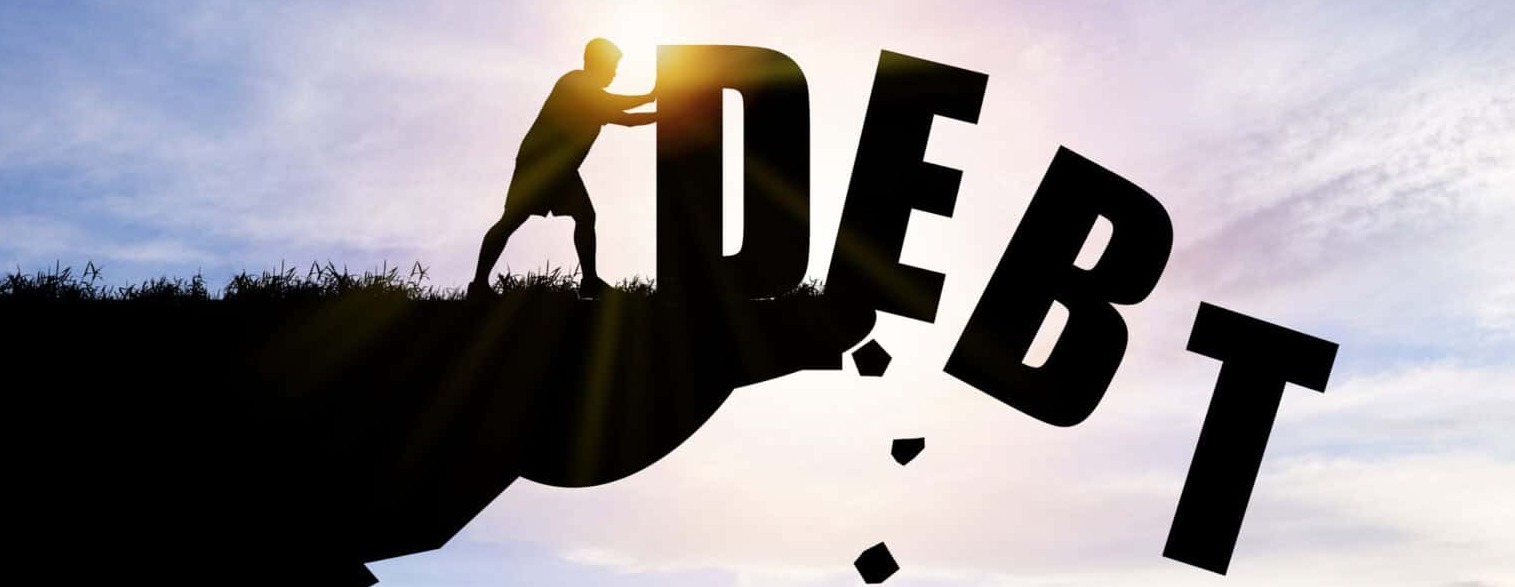
Debt affects individuals, families, and the economy in South Africa, linking present circumstances to past financial errors and impacting future prospects. Understanding the long-term implications of debt is crucial for making wise financial decisions
Debt represents a financial obligation that ties current situations to past decisions. Common forms of debt, such as student loans, credit card debt, and mortgages, can linger for years. According to the South African Reserve Bank, household debt stood at R1.98 trillion in the third quarter of 2021.
Borrowing provides immediate benefits, but comes with long-term repayment obligations, affecting daily spending and long-term goals.
Future Impacts.
High levels of debt can limit the ability to save for retirement, invest, or respond to emergencies. A survey by Old Mutual found that 70% of South Africans struggle to make ends meet due to debt, since there is no remuneration improvement since 2020. https://www.oldmutual.co.za/om-docs/blt71dbd6df4d47f4aa/OMSIM2023_Press_Release_Insights.pdf
Debt also affects credit scores, influencing the ability to secure loans, rent housing, or obtain jobs. Lower credit scores result in higher interest rates, making debt management more challenging.
A survey by Old Mutual found that 70% of South Africans struggle to make ends meet due to debt
Debt can cause significant psychological and emotional stress. A recent study found that 72% of South Africans felt overwhelmed by their financial situation, with debt being a major factor. This stress can lead to anxiety and depression, complicating financial management.Borrowing provides immediate benefits, but comes with long-term repayment obligations, affecting daily spending and long-term goals.
Managing debt wisely involves making informed borrowing decisions and developing debt repayment strategies. Financial experts recommend creating a budget, prioritizing high-interest debt, and seeking professional advice from Debt Counselling companies if needed.
Building an emergency fund can reduce the need for additional debt. According to the South African Savings Institute, only 35% of South Africans have an emergency fund. https://www.gov.za/blog/saving-secure-our-future
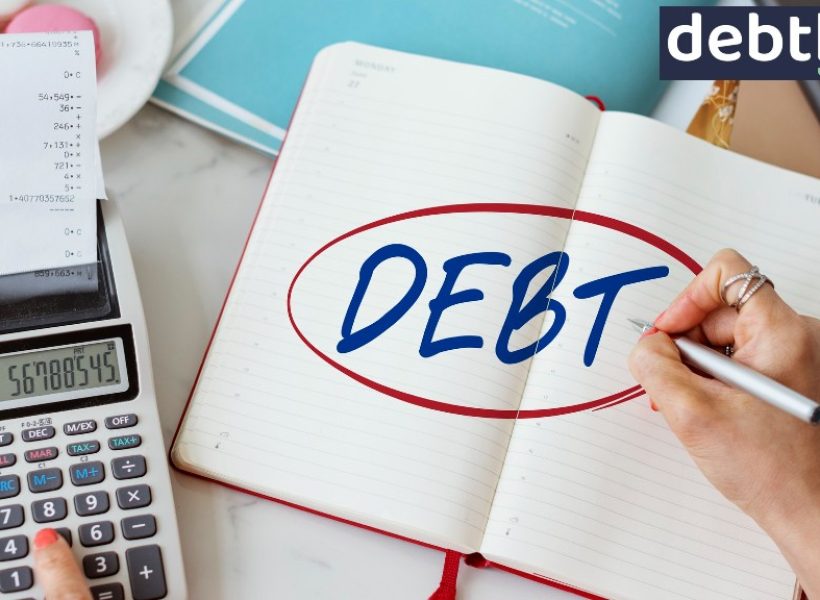
There is no better time than now to review your finances and seek professional assistance. Debt ties current circumstances to past financial decisions, shaping future prospects. It highlights the lasting impact of financial choices and the importance of managing debt wisely. By understanding debt’s implications and taking proactive steps, South Africans can better navigate their financial journeys and secure a brighter future.
Reduce your Interest rates by up to 100% Take the first step to take control of your finances. Get started by understanding your financial situation.